.svg.avif)

biogas process
From substrate input
to biogas production
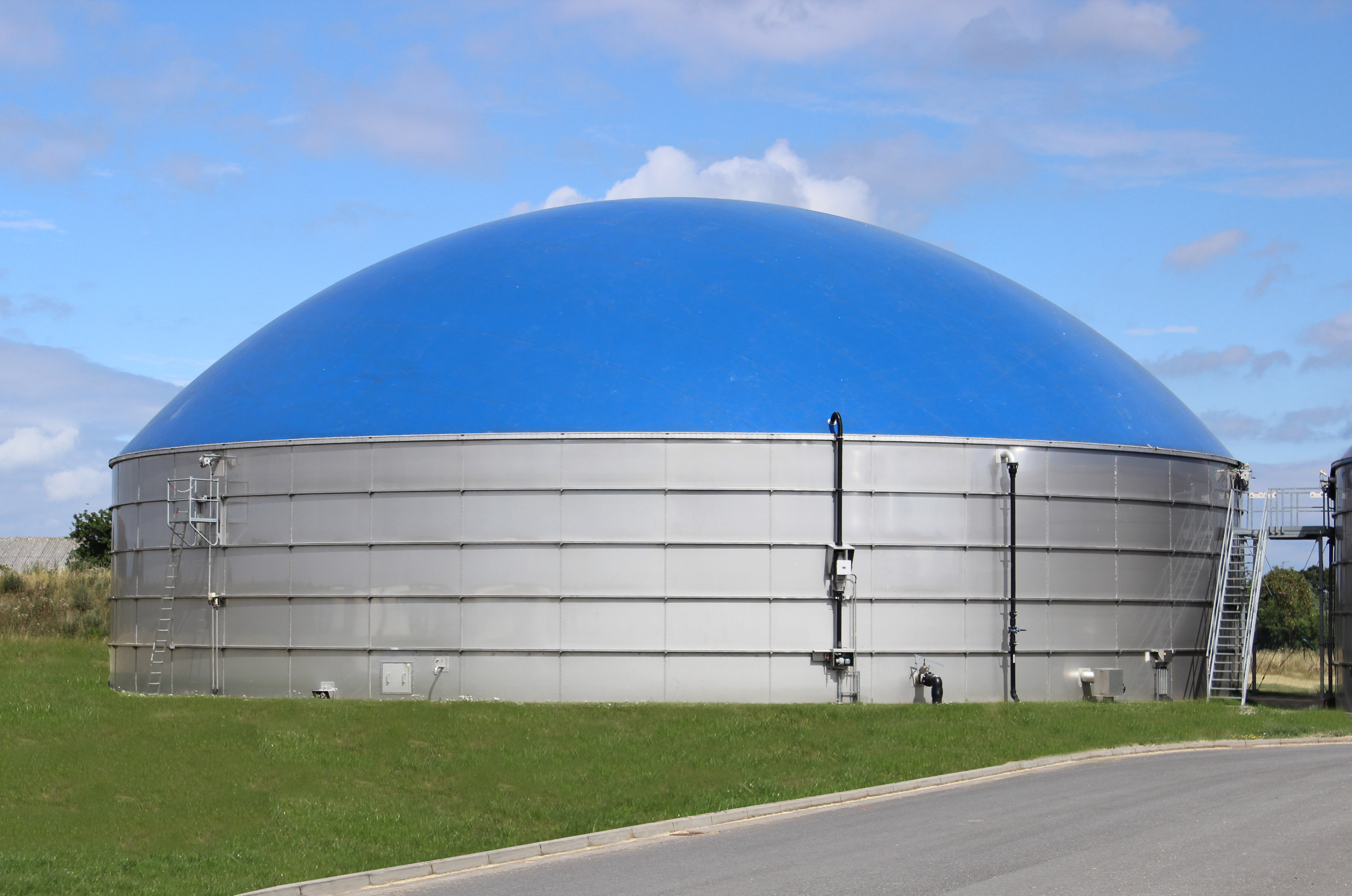
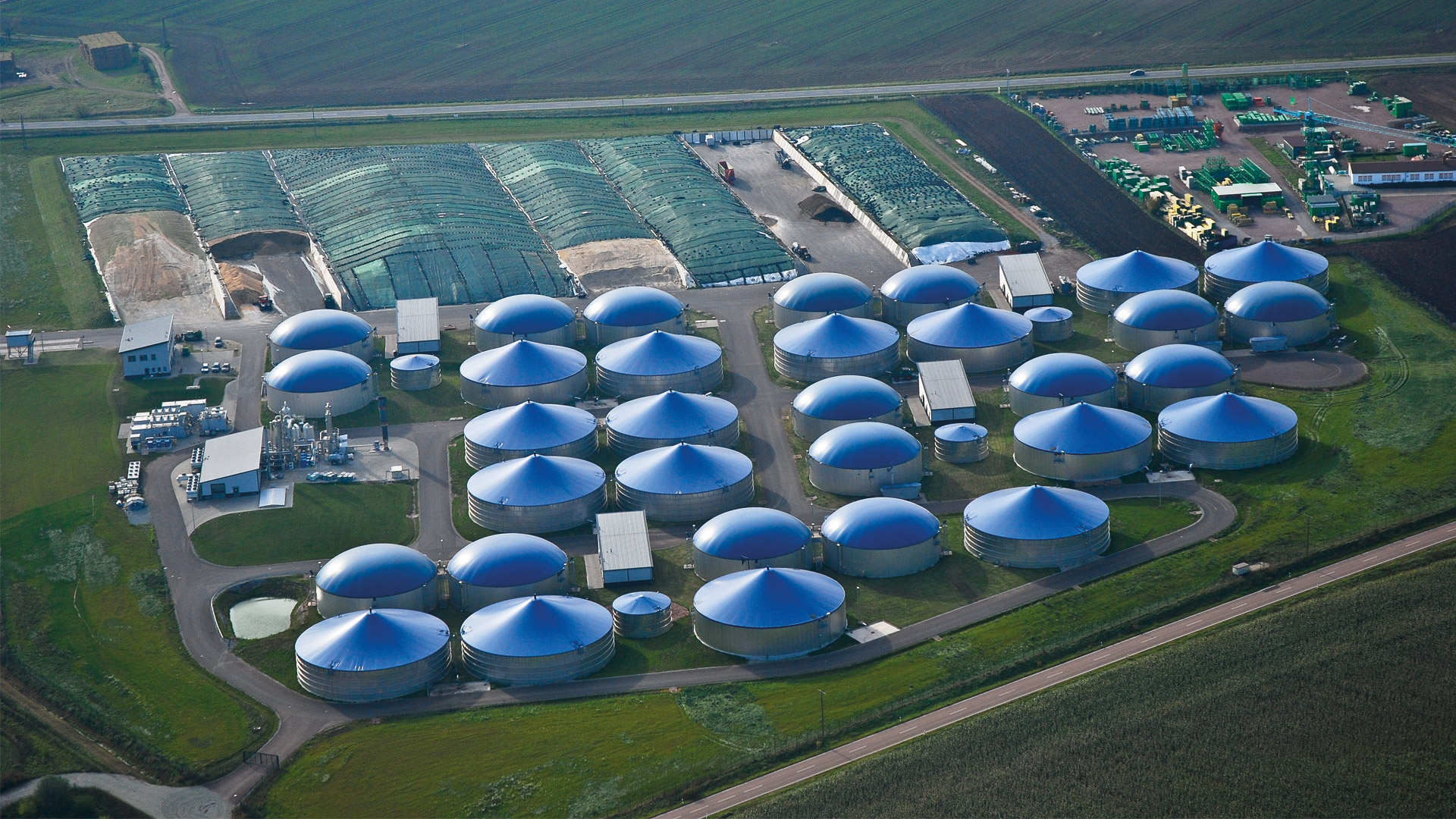
From upstream substrate processes to anaerobic digestion in stainless steel tanks and downstream processes for gas and digestate recovery, WELTEC takes on the technical integration of all process stages and combines container construction, process technology and system engineering to form a continuous plant solution.
Stainless steel technology
Quality and durability
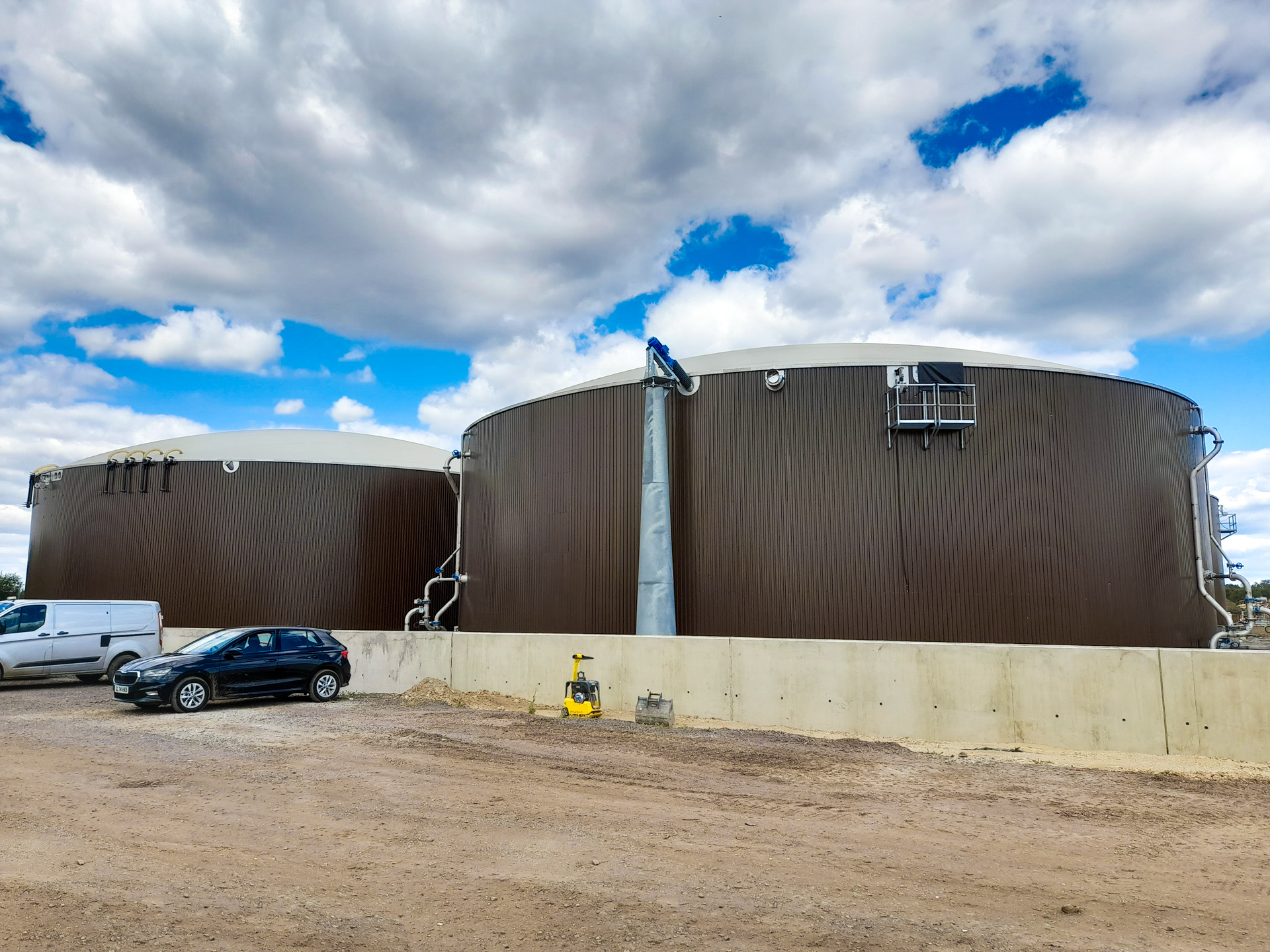
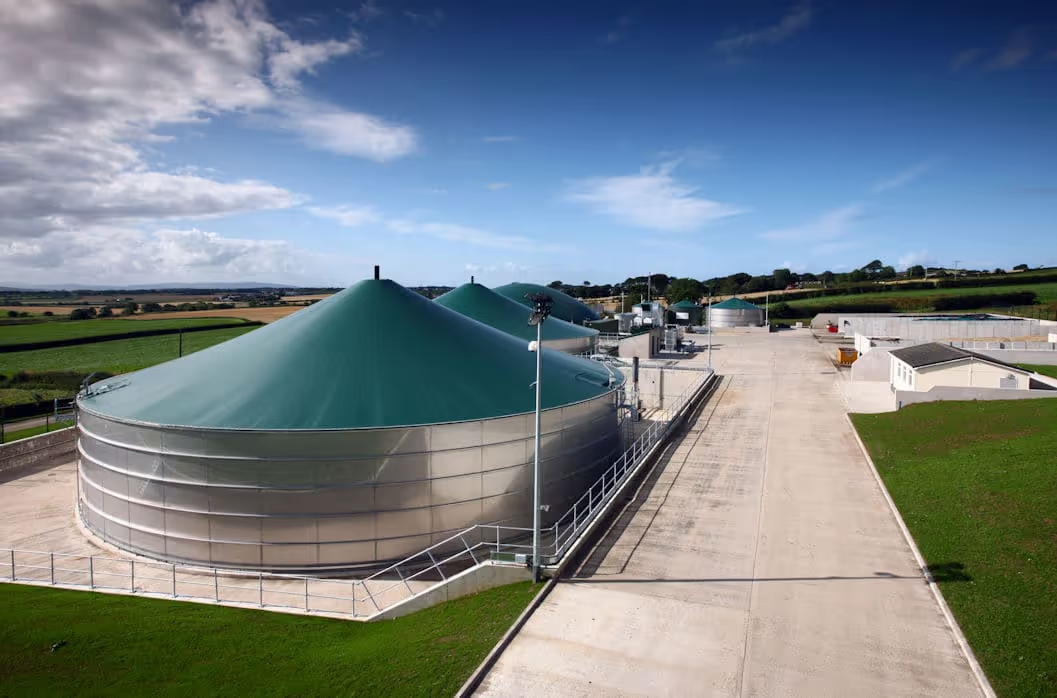
WELTEC uses duplex stainless steel in various grades for the liquid zone and for the high-stress gas zone. This material-specific design, combined with a modular construction, ensures space-saving shipping, efficient installation, and consistently high system quality—worldwide.
Das im Edelstahlfermenter erzeugte Biogas enthält aggressive Bestandteile wie Schwefelwasserstoff und Ammoniak. Dank der materialbedingten Widerstandsfähigkeit des Werkstoffs kann der Fermenter den korrosionsverursachenden Bestandteilen standhalten und sorgt für weniger intensive Wartungs- und Sanierungskosten.
Die Wirtschaftlichkeit hängt von mehreren Faktoren ab: Substratverfügbarkeit, Anlagengröße, Gasverwertung (Strom, Wärme, Biomethan) und regionalen Rahmenbedingungen. WELTEC BIOPOWER erstellt bei Bedarf eine detaillierte Wirtschaftlichkeitsberechnung und begleitet Sie bei Fördermittelanträgen. Viele Anlagen amortisieren sich innerhalb weniger Jahre.
Edelstahlbehälter werden in standardisierten Modulen vorgefertigt und platzsparend per Container weltweit verschifft. Vor Ort erfolgt die Montage schnell. Das reduziert Bauzeiten, minimiert Risiken und ermöglicht flexible Anlagenerweiterungen ohne aufwendige Umbauten. Gleichbleibend hohe Qualität – unabhängig vom Standort.



From substrate to gas
The biogas process
The biogas process converts organic waste into valuable energy. Depending on the source material, the substrates are prepared, fed into the digester, and homogenized there by stirring. Microorganisms break down the components in ananaerobic conditions, producing biogas.

Substrates
Biogas plants recycle a wide range of organic waste materials. These include food and production waste from industry, slaughterhouse waste, manure, animal byproducts, whey, and slurry. All of these substrates contain valuable organic matter. WELTEC designs each system individually based on the available substrates. The flexibility to choose substrates ensures long-term economic operation.
- Food & production scraps
- Slaughterhouse waste
- Biowaste & manure
- Whey, slurry, slurry, liquids
- Hygienization (pre- & post-sanitation)


Pre-treatment
We first prepare solid substrates: Packaged food residues go through depackaging systems that separate organic matter from films and plastic. Biological waste or slaughterhouse waste is shredded and homogenized. Liquid substrates such as manure, whey or slurry usually require no pretreatment and are pumped in directly. Optimum treatment increases gas yield, accelerates degradation and ensures stable processes.
- Foreign body removal for clean substrates
- Unpacking technology for packaged foods
- Shredding for homogeneous particle size
- Homogenization of solid substrates
- Direct introduction of liquid substrates

Feeding technology
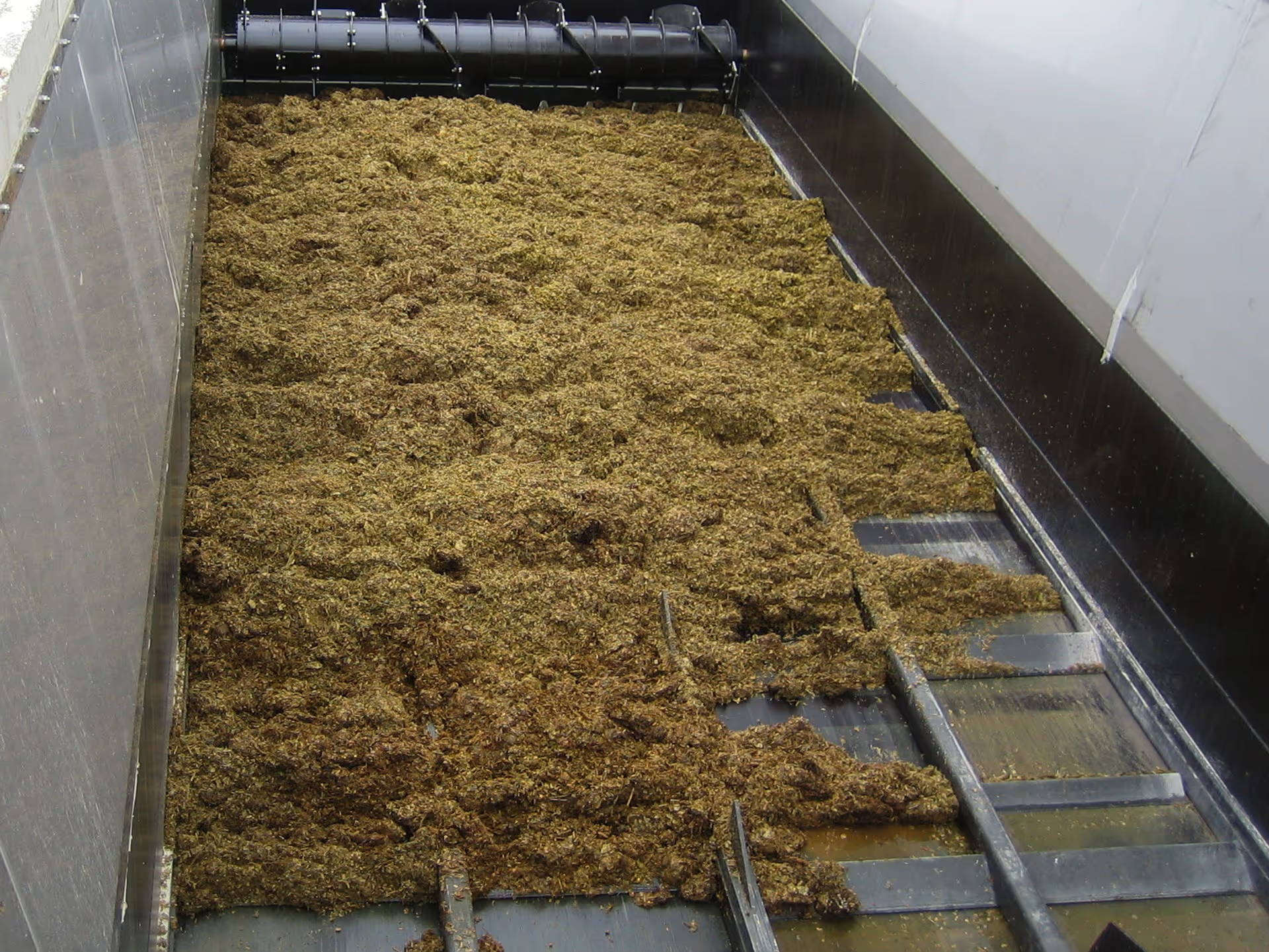
Solid substrates are first processed: Packaged food waste passes through unpacking systems that separate the organic material from plastic film and other synthetic materials. Food waste or slaughterhouse waste is shredded and homogenized. Liquid substrates such as manure, whey, or distillers’ grains usually require no pretreatment and are pumped in directly. Optimal processing increases gas yield, accelerates decomposition, and ensures stable processes.
- Solid doser for solid substrates
- Central pumps for liquids
- Storage tank as a buffer
- Automatic dosing control

Pre-storage
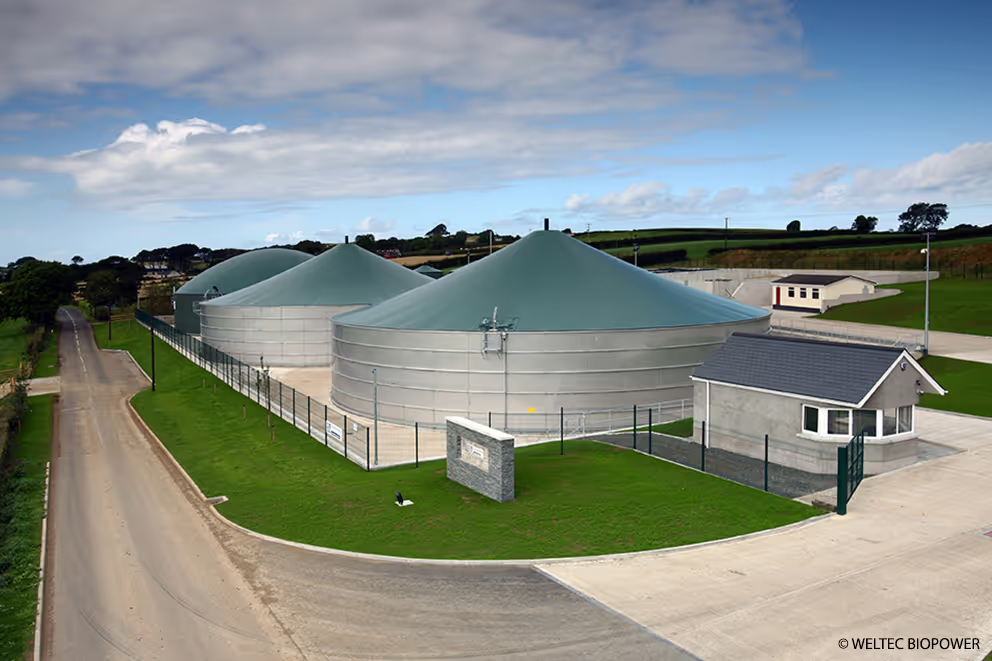
Sufficient storage capacity is essential for flexible plant operation. Storage tanks buffer incoming substrates and decouple delivery from feeding—ensuring a continuous feed even with irregular deliveries. This keeps the digestion process stable and ensures a steady supply of substrate.
- Storage tank for flexible substrate feeding


Digestion
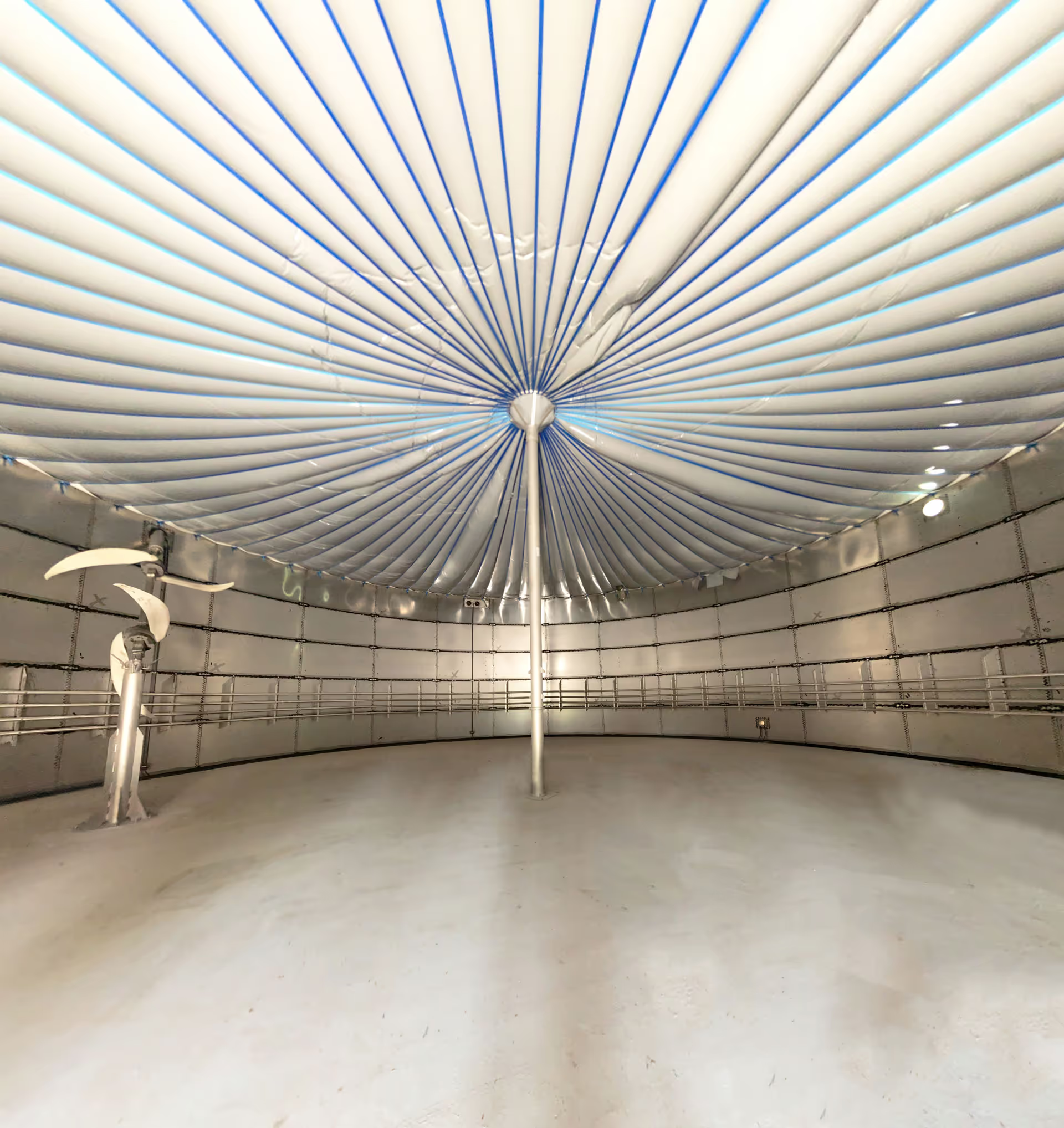
The actual biogas process takes place in the digester. Microorganisms break down organic substrates into biogas in the absence of air — a mixture of methane (approx. 50-65%) and carbon dioxide. Agitators keep the mixture homogeneous, and heating technology ensures optimum process temperatures. The retention time is 20–60 days, depending on the substrate, and can be as long as 80–90 days if the manure content is high. The biogas is continuously extracted.
- Anaerobic Digestion
- Stirring technology for homogenization
- Heating technology for optimum process temperature
- Continuous biogas production

Biogas Utilization Concepts
Various Ways to Make the Most of the Gas You Produce
Depending on the project, various downstream processes may follow the digestion process. These include digestate treatment using WELTEC BLUE WATER, power generation from biogas in a combined heat and power (CHP) plant, or biogas upgrading for grid injection—WELTEC plans the optimal integrated system to maximize profitability. Customized design based on available substrates, energy targets, and the economic framework.
BIOMETHANE & CO₂ liquefaction
GAS TREATMENT
Raw biogas can be processed into biomethane. The resulting byproduct, CO₂, can be liquefied and used, for example, in the food industry.
COMBINED HEAT AND POWER PLANT
POWER & HEAT
Combined heat and power plants (CHPs) generate electricity and heat from biogas. Both can be used for on-site consumption or fed into the public grid, while residual heat is used to heat digesters or buildings.
WELTEC BLUE WATER
SLURRY AND
DIGESTATE TREATMENT
WELTEC BLUE WATER processes slurry and fermentation residues into solid fertilizer, nutrient concentrate and water — for less storage capacity and lower transport volumes.
Process control & monitoring
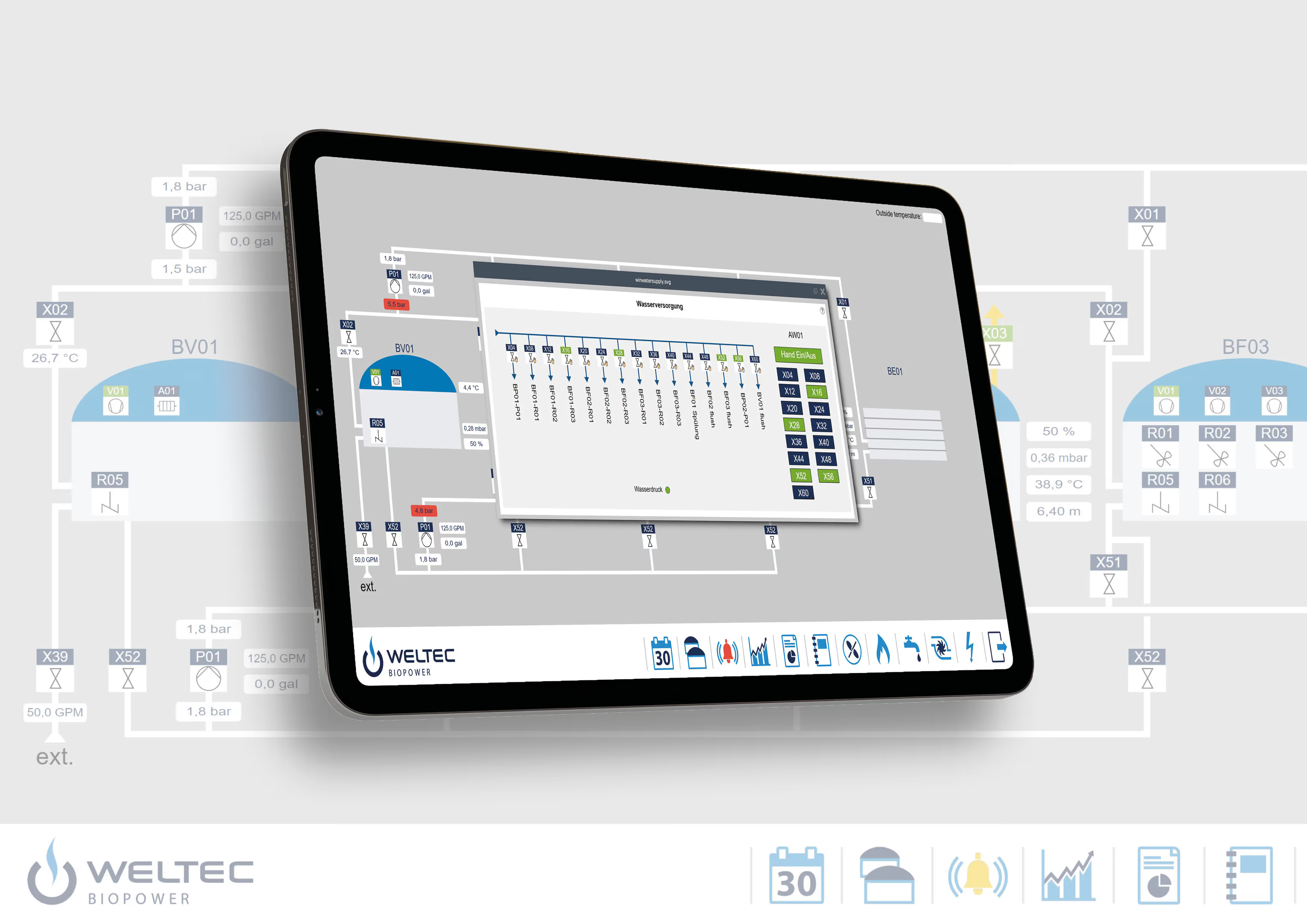
WELTEC CONTROL
The web-based WELTEC CONTROL software gives operators full access to all key plant parameters—from anywhere, at any time. The customizable dashboard displays all relevant process data at a glance. Multiple users can make adjustments simultaneously. Intuitive navigation, maximum transparency, efficient workflow—plant control at the highest level. Seamless integration of the WELTEC control system into existing SCADA systems enables centralized monitoring and analysis of all key process data.
.jpg)